


With their adorable floppy ears, expressive eyes, and lively personalities, Beagles are much more than just a beloved breed—they are the heart and soul of many family homes. Originally bred as skilled hunting dogs, these loyal companions have adapted effortlessly to modern family life, earning their place as one of the most cherished dog breeds worldwide.
Beagles bring a unique balance of energy, curiosity, and affection that makes them the perfect fit for families. Whether it’s racing through the backyard with the kids, joining you on a weekend hike, or snuggling up on the couch after a long day, Beagles thrive in environments filled with activity, love, and companionship. Their medium size, gentle nature, and undeniable charm make them an ideal choice for families of all shapes and sizes.
At Tailwaggors, we believe every family deserves a furry friend who brings joy, warmth, and connection to their lives. In this vet-approved guide, we’ll explore everything you need to know about Beagles—from their friendly disposition to their care and training needs—so you can confidently welcome this lovable breed into your home. Whether you’re a first-time dog owner or looking for a playful addition to your family, Beagles are guaranteed to fill your life with wagging tails and unforgettable moments.
Beagles are known for their keen intelligence and friendly demeanor. Learning “Essential Dog Training Commands” can enhance their natural obedience and charm.
Quick Facts: Beagle
Here’s a snapshot of the Beagle traits to help you understand their unique qualities:
| Characteristic | Description | Rating |
|---|---|---|
| Size | Males: 13–15 in (33–38 cm), 20–30 lbs (9–13.6 kg); Females slightly smaller | ⭐⭐⭐⭐ |
| Average Lifespan | 10–15 years | ⭐⭐⭐⭐ |
| Intelligence Ranking | Clever and curious, especially when motivated by food | ⭐⭐⭐⭐ |
| Exercise Requirements | High; need 1–2 hours of physical activity daily | ⭐⭐⭐⭐⭐ |
| Grooming Needs | Low; occasional brushing and ear cleaning | ⭐⭐⭐ |
| Training Adaptability | Moderate; respond well to consistent, positive reinforcement | ⭐⭐⭐⭐ |
| Compatibility with Children | Excellent; playful, gentle, and patient with kids | ⭐⭐⭐⭐⭐ |
| Energy Level | High; thrives on outdoor adventures and playtime | ⭐⭐⭐⭐⭐ |
| Shedding Level | Moderate; regular brushing keeps shedding manageable | ⭐⭐⭐ |
| Apartment Living | Possible with daily exercise and mental enrichment | ⭐⭐⭐ |
| Health Issues | Prone to obesity, ear infections, and hip dysplasia; preventative care helps | ⭐⭐⭐ |
| Cost of Ownership | Moderate; includes quality food, vet visits, and grooming essentials | ⭐⭐⭐ |
| Vocal Tendency | High; known for their distinct “Beagle bay” | ⭐⭐⭐⭐ |
| Social Needs | Very high; thrives on companionship and being part of a family “pack” | ⭐⭐⭐⭐⭐ |
- • Affectionate and Loyal: Beagles are incredibly affectionate and form deep emotional bonds with their families. They’ll often follow their loved ones everywhere, offering comfort and joy with every wag of their tail.
- • Playful and Energetic: These dogs are bundles of energy, always ready for a game of fetch, a backyard adventure, or a scent-tracking challenge. Their playful spirit keeps families active and engaged.
- • Kid-Friendly: Gentle and patient, Beagles are natural companions for children. Their love for play and tolerance for a bit of roughhousing makes them ideal for households with young kids.
- • Low Maintenance Grooming: While Beagles do shed, brushing once a week and cleaning their ears twice a week helps keep their coat healthy and prevent ear infections.
- • Curious and Intelligent: Beagles’ sharp sense of smell and inquisitive nature make them great problem solvers. While their independence can be challenging during training, positive reinforcement keeps them engaged and eager to learn.
- • Highly Social: Beagles thrive in environments where they’re surrounded by people or other pets. They crave companionship and struggle when left alone for long periods, making them ideal for families who spend a lot of time at home.
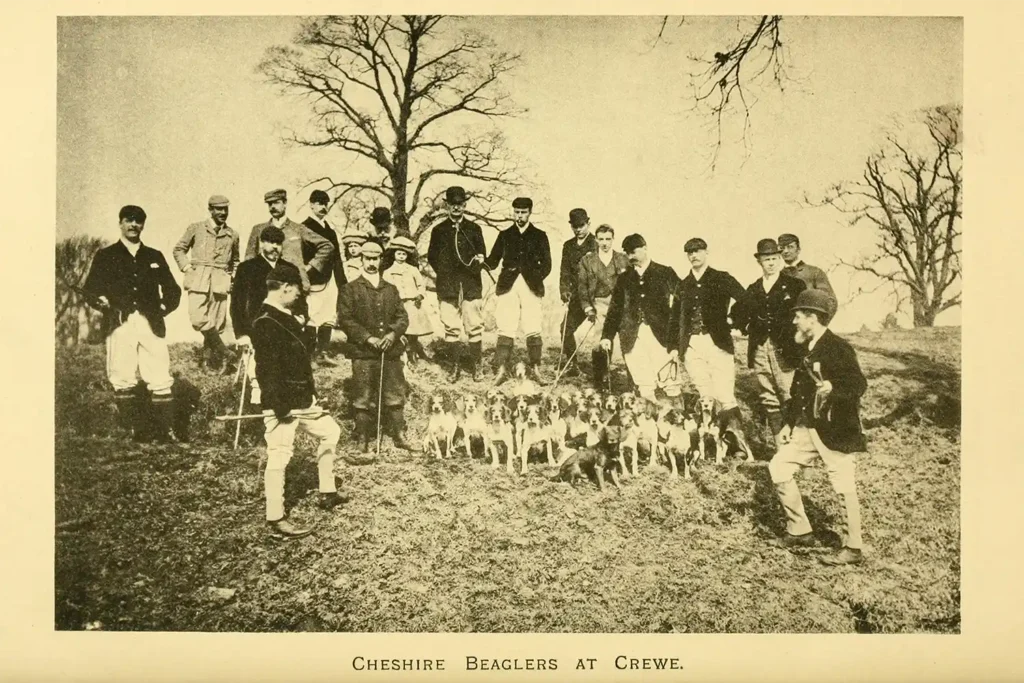
History and Origins of the Beagle
The Beagle, a breed cherished for its playful nature and unmatched scent-tracking abilities, boasts a history that stretches back over 2,000 years. With roots in ancient Greece and refinement in England, the Beagle has become a symbol of loyalty, intelligence, and adaptability. Once a prized companion of hunters, this versatile breed has transitioned effortlessly into modern homes, winning the hearts of families around the globe.
Quick Facts About Beagle Origins
| Aspect | Detail |
|---|---|
| Geographic Origin | Ancient Greece, later refined in England |
| Purpose | Tracking small game, particularly rabbits and hare |
| First Recognition | Recognized by The Kennel Club of England in 1890 |
| Introduction to the U.S. | Early 19th century; quickly embraced as both hunting dogs and family companions |
| Notable Contributions | Search-and-rescue missions, therapy work, and beloved family pets |
| Breed Development | Refined from scent hounds, including the Harrier and other small breeds |
More Read

Beagle Breed Development in England
In England during the Middle Ages, hunters sought a compact yet sturdy dog with an unparalleled sense of smell. Early versions of the Beagle, known as “Pocket Beagles,” were so small they could fit in saddlebags, making them perfect companions for hunting trips. Over time, breeders carefully refined the Beagle to enhance its stamina, scent-tracking capabilities, and gentle temperament.
By the 18th century, the modern Beagle began to emerge through selective breeding:
- Scent-Tracking Expertise: Enhanced by crossing with small hounds like the Harrier.
- Endurance for Hunting: Developed to excel over long distances and rugged terrain.
- Gentle Disposition: Ensured ease of handling and integration into family life.
These traits made the Beagle a popular choice for hunters and families alike, creating a breed equally adept in the field and at home.
From Hunting Fields to Family Homes
While Beagles were originally bred for their hunting prowess, their friendly and curious nature soon made them a favorite in family settings. By the early 19th century, Beagles arrived in the United States, where they quickly gained popularity as versatile dogs that excelled in hunting, companionship, and beyond.
Beagles’ love for people and their ability to form deep bonds with their families allowed them to transition seamlessly from the fields to the living room. Today, they’re celebrated as loyal companions, excelling in homes filled with activity and affection.
A Breed of Many Talents
Beagles’ intelligence and adaptability make them one of the most versatile dog breeds in the world. Beyond their hunting heritage, Beagles thrive in modern roles such as:
- Search-and-Rescue Missions: Their incredible sense of smell makes them invaluable for locating missing persons.
- Therapy and Service Dogs: Their calm demeanor and affectionate nature help provide comfort and support.
- Family Companions: Playful and loyal, Beagles bring energy and love to families of all sizes.
Recognition and Global Popularity
The Kennel Club of England formally recognized the Beagle as a distinct breed in 1890, cementing its place in canine history. The American Kennel Club (AKC) followed in 1885, further propelling the breed’s rise in popularity. Today, Beagles remain among the top-ranked dog breeds worldwide, valued for their intelligence, loyalty, and playful spirit.
Why the Beagle Stands Out
From the ancient fields of Greece to bustling family homes, the Beagle’s journey is one of remarkable adaptability and purpose. Their ability to thrive in various roles—whether as a scent-tracking expert, therapy hero, or beloved pet—sets them apart as a truly exceptional breed. Few dogs combine intelligence, loyalty, and playful energy as effortlessly as the Beagle.
Before welcoming a Beagle into your home, check out our “10 Essential factors for bringing a new pet home” for essential preparation tips.

Personality Traits of the Beagle
The Beagle is a lively, affectionate, and endlessly curious breed, making it a favorite among families and active individuals. Renowned for their playful energy and deep loyalty, Beagles excel in environments where they can bond with people, explore the outdoors, and engage their sharp noses in scent-tracking adventures. Their unique mix of independence and sociability creates a breed that’s both charming and adaptable.
Table: Beagle Personality Profile
| Trait | Description |
|---|---|
| Intelligence | Clever and resourceful, especially when motivated by scent or treats |
| Energy Level | High energy; thrives with daily exercise and interactive play |
| Social Interaction | Highly affectionate; bonds deeply with family members and enjoys being part of a pack |
| Protectiveness | Friendly to all; will alert the family but not overly protective |
| Trainability | Moderate; responds best to consistent, positive reinforcement |
| Compatibility with Kids | Excellent; patient and playful, making them ideal for children |
| Compatibility with Pets | Very sociable; thrives in multi-pet households with proper introductions |
Loyal and Affectionate Companions
Beagles are deeply affectionate dogs that crave human connection. Known for their loyalty, they form strong bonds with their families and thrive in homes where they are included in daily activities. Beagles love being part of a pack, whether it’s their human family or other pets, and often follow their loved ones wherever they go.
Real-Life Example: Beagle owners often recount touching stories of their dogs’ devotion, such as staying close to children during playtime or eagerly waiting by the door for their favorite humans to return. Their affectionate nature makes them more than just pets—they become cherished family members. patiently by the door for their favorite humans to return. Goldens truly live to love and be loved.
Energetic and Playful
Beagles maintain their playful energy well into adulthood, making them a source of joy and entertainment for families. They require regular physical activity and mental stimulation to channel their boundless energy productively. Without sufficient exercise, their curiosity may lead to mischief, like chewing or digging.
Exceptionally Curios and Intelligent
Beagles are incredibly smart, particularly when motivated by scent or food. This intelligence makes them quick learners, but their independent streak can pose challenges during training. Consistency, patience, and positive reinforcement are key to unlocking their full potential.
Pro Tip: Incorporate scent-based games into your training routine. Hide treats or toys for your Beagle to find, turning their natural tracking abilities into a fun and engaging activity.
Real-Life Example: Beagles’ keen noses often lead them to excel in roles like search-and-rescue missions or scent work competitions. Their determination and intelligence shine in tasks that engage their unique abilities.
Friendly and Social
Beagles are naturally outgoing and thrive in social settings. They’re known for their welcoming demeanor, greeting strangers and family members alike with wagging tails and playful energy. This makes them fantastic companions for multi-pet households and families with children.
Key Insight: Early socialization is essential to help Beagles grow into confident, well-mannered adults. Introducing them to a variety of people, pets, and environments early on fosters a positive and adaptable personality.
Real-Life Example: Many families describe their Beagle as the “peacekeeper” of their household, effortlessly bonding with children, other dogs, and even cats. Their playful yet gentle nature allows them to fit seamlessly into diverse family dynamics.
Emotionally Sensitive Yet Independent
While Beagles are independent thinkers, they’re also highly attuned to their owners’ emotions. Their expressive faces and soulful eyes make it easy to see why they’re often described as having an innate ability to empathize with humans. This emotional sensitivity, combined with their playful independence, makes Beagles a truly unique breed.
Fun Fact: Beagles’ cheerful expressions and tail-wagging enthusiasm have earned them a reputation as “eternal optimists,” bringing joy and comfort to their families during both good times and challenging moments.
Real-Life Example: Beagle owners frequently share heartwarming stories of their dogs instinctively offering comfort during tough times, such as resting their head on a loved one’s lap or staying close during illness or sadness.
Why Choose a Beagle?
Beagles offer the perfect combination of intelligence, energy, and affection. Their outgoing personality makes them an excellent choice for families, active individuals, and anyone seeking a loyal and sociable companion. With proper care, training, and attention, a Beagle will bring years of love, laughter, and adventure to your life.
Beagles are eager to please. Mastering “Essential Dog Training Commands” can help bring out their full potential.
Beagles thrive on companionship but can develop separation anxiety. Learn more about “Understanding and Managing separation anxiety in dogs”.

Physical Characteristics of the Beagle
The Beagle’s compact frame, soulful eyes, and iconic baying voice make it one of the most recognizable and endearing dog breeds. Originally bred for stamina and scent-tracking across diverse terrains, their physical features are a perfect blend of functionality and charm. Every aspect of the Beagle’s form reflects its role as a tireless and versatile companion, equally suited for hunting and family life.
Size and Build
| Trait | Description |
|---|---|
| Average Height | Males and females: 13–15 in (33–38 cm), depending on size category |
| Average Weight | 20–30 lbs (9–13.6 kg), compact yet sturdy |
| Body Type | Well-muscled and balanced, designed for endurance and agility |
The Beagle’s sturdy build and moderate size make it an ideal choice for active families. Their deep chest and strong limbs provide the stamina needed for long hunts, hikes, or play sessions, while their compact frame ensures agility and ease of handling.
Real-Life Example: Beagle owners often note how their dogs’ small but sturdy bodies allow them to keep up during outdoor adventures while still being easy to manage indoors.
Notable Features
The Beagle’s unique features are not only practical for scent-tracking but also undeniably charming. These include:
- Eyes: Large and brown or hazel, exuding warmth, curiosity, and intelligence.
- Ears: Long, soft, and close-hanging, helping funnel scents toward their powerful nose.
- Muzzle: Medium-length and strong, ideal for carrying items or tracking scents over long distances.
- Tail: Moderately long with a white tip, carried high and wagging enthusiastically, often serving as a “flag” to locate them in dense terrain.
Beagles’ gait is purposeful and energetic, showcasing their tireless nature and readiness to explore. Their smooth, flowing movement reflects their heritage as relentless scent hounds.
Coat and Colors
| Trait | Description |
|---|---|
| Coat Type | Short, dense, and weather-resistant, designed for functionality and low maintenance |
| Coloring | Typically tri-color (black, white, tan), red and white, lemon, or other hound shades |
The Beagle’s coat is both practical and easy to care for. Its weather-resistant qualities protect them during outdoor adventures, while the short fur makes grooming simple. Beagles shed moderately throughout the year, with heavier shedding in spring and fall, requiring regular brushing to keep their coat healthy and manage fur in the home.
Their tri-color coat is the most iconic, but variations like lemon or red and white add to their diversity. The signature white-tipped tail, a hallmark of the breed, ensures visibility during activities like scent work or hiking.
Real-Life Example: Many Beagle owners appreciate their dogs’ minimal grooming needs, noting that regular brushing helps control shedding and strengthens the bond between pet and owner.
Facial Features and Posture
| Feature | Description |
|---|---|
| Eyes | Large, expressive, and radiating kindness and intelligence |
| Ears | Long and floppy, perfectly designed to enhance scent-tracking capabilities |
| Tail | Carried high with a white tip, a cheerful indicator of their alertness |
Beagles’ expressive faces, combined with their lively posture, capture their friendly and adventurous spirit. Whether they’re tracking a scent outdoors or wagging their tails enthusiastically at home, their physical traits exude warmth and approachability.
Key Physical Traits of the Beagle
- Compact Build: A sturdy, muscular frame designed for endurance and agility, perfect for active lifestyles.
- Distinctive Coat: Weather-resistant and low-maintenance, their short coat simplifies grooming.
- Expressive Features: Their large, soulful eyes and wagging tail reflect their affectionate and curious personality.
- Iconic Coloring: From classic tri-color patterns to unique shades, Beagles’ coats are as diverse as they are beautiful.
Why Understanding These Characteristics Matters
Knowing the physical traits of Beagles helps owners provide appropriate care tailored to their needs. From regular brushing to ear cleaning, their features require simple yet consistent attention to keep them healthy and happy. Understanding their compact yet sturdy build and boundless energy ensures they get the exercise and engagement they thrive on.
Why the Beagle Stands Out
The Beagle’s physical characteristics combine practicality and charm. Their compact size, expressive features, and durable coat make them a versatile and low-maintenance choice for active families. Whether as an outdoor adventurer or a loving companion, the Beagle is a breed that stands out for its functionality and timeless appeal.
Did you know that some Beagles love sticking out their tongues? Find out other reasons why in this vet-reviewed guide.

Health and Lifespan of the Beagle
Beagles are celebrated for their energy, resilience, and playful personalities, but like all breeds, they have specific health needs that require attention. With a lifespan of 10 to 15 years, Beagles can enjoy long and healthy lives with proper nutrition, regular exercise, and preventive care. By understanding and addressing their unique health concerns, owners can ensure their Beagles remain happy, active companions for years to come.
Average Lifespan of Beagles
The average lifespan of a Beagle ranges from 10 to 15 years. This impressive longevity for a medium-sized breed reflects their sturdy build and robust health. However, factors like diet, exercise, genetics, and regular veterinary care play a significant role in extending their lifespan.
Common Health Issues in Beagles
Beagles are generally healthy dogs, but they are predisposed to certain hereditary and lifestyle-related conditions. Proactive management and early detection are key to addressing these concerns.
| Condition | Description |
|---|---|
| Obesity | Beagles have a hearty appetite, making them prone to weight gain, which can lead to joint issues and other health problems. |
| Ear Infections | Their long, floppy ears trap moisture and debris, increasing the risk of bacterial or yeast infections. |
| Hip Dysplasia | A genetic condition causing improper hip joint development, potentially leading to arthritis and mobility issues. |
| Epilepsy | Beagles are prone to idiopathic epilepsy, which manifests as recurrent seizures. |
| Intervertebral Disc Disease (IVDD) | This spinal condition can cause pain, reduced mobility, or difficulty walking. |
| Hypothyroidism | A hormonal disorder that results in weight gain, lethargy, and thinning coats. |
Preventive Care and Regular Vet Checkups
Preventive care is crucial for Beagles, as it helps catch potential issues early and ensures their overall well-being. Consistent grooming, a healthy diet, and an active lifestyle are essential.
| Health Aspect | Recommended Action | Frequency |
|---|---|---|
| Weight Management | Provide a high-quality diet and monitor portion sizes. Encourage daily exercise. | Weekly monitoring |
| Ear Hygiene | Clean ears to remove trapped moisture and debris, preventing infections. | Weekly |
| Joint Health | Monitor for stiffness or limping. Joint supplements can help maintain mobility. | Annually or as needed |
| Epilepsy Monitoring | Watch for signs of seizures; consult a vet if symptoms appear. | As needed |
| Thyroid Screening | Blood tests to detect hypothyroidism early. | Annually |
| Dental Care | Brush teeth and provide dental chews to maintain oral health. | Weekly; annual cleaning |
| Spinal Health | Use ramps and avoid strenuous jumping to reduce IVDD risks. | Annually or as needed |
Signs of Illness to Watch For in Beagles
Beagles are playful and active, making it important to stay alert for subtle changes that may signal health concerns. Common warning signs include:
- Weight Changes: Sudden gain or loss may indicate thyroid issues, metabolic disorders, or underlying illnesses.
- Lethargy or Fatigue: A decrease in energy levels can signal obesity, heart issues, or illness.
- Ear Odor or Scratching: Signs of ear infections, which are common due to their floppy ears.
- Mobility Issues: Limping or stiffness may indicate hip dysplasia or spinal problems like IVDD.
- Seizures or Tremors: Symptoms of epilepsy, which require prompt veterinary evaluation.
- Digestive Problems: Vomiting, diarrhea, or bloating may indicate gastrointestinal issues or dietary intolerances.
Some owners explore options like “CBD oil for dogs” to manage joint discomfort.
Beagles may face certain health challenges. Stay informed about the “11 Warning signs your dog needs a vet visit”.
Ensuring a Healthy Life for Your Beagle
A proactive approach to your Beagle’s health can significantly enhance their quality of life and longevity. Their energetic nature and curious spirit thrive with consistent physical activity, mental stimulation, and attentive care.
Key Areas of Care:
- Balanced Nutrition: Feed your Beagle a diet tailored to their age, weight, and activity level. Portion control is essential to prevent obesity.
- Regular Exercise: Provide at least one hour of exercise daily to maintain their weight and energy balance.
- Routine Grooming: Weekly brushing and ear cleaning help prevent infections and keep their coat healthy.
- Veterinary Screenings: Annual checkups, thyroid tests, and joint assessments are crucial for early detection of common health issues.
Why Health Awareness Matters
Beagles are loyal and playful companions, and understanding their health needs is essential for providing the best care. By focusing on preventive measures, balanced nutrition, and regular exercise, you can ensure your Beagle stays by your side for many joyful years.

Caring for an Beagle: Grooming, Diet and Enrichment Tips
Beagles are active, curious, and affectionate companions who thrive when their physical, mental, and emotional needs are met. With proper grooming, a balanced diet, and engaging activities, you can ensure your Beagle leads a healthy, happy, and well-rounded life. Understanding their unique care requirements is key to fostering a strong bond and keeping them at their best.
Table: Care Requirements for Beagle
| Care Aspect | Requirement Level | Frequency | Details | Importance Rating |
|---|---|---|---|---|
| Grooming | Moderate | Weekly | Brushing, ear cleaning, and nail trimming. | ⭐⭐⭐⭐⭐ |
| Feeding | High | Daily | Balanced meals with portion control. | ⭐⭐⭐⭐⭐ |
| Exercise | High | Daily | 1–2 hours of physical activity. | ⭐⭐⭐⭐⭐ |
| Mental Stimulation | Very High | Continuous | Scent games, training, and interactive play. | ⭐⭐⭐⭐⭐ |
| Environment | High | Continuous | Secure outdoor areas and cozy indoor spaces. | ⭐⭐⭐⭐ |
Grooming: Keeping Your Beagle Clean and Comfortable
Beagles’ short, dense coats are relatively low-maintenance, but regular grooming is essential to prevent skin issues, minimize shedding, and ensure their overall comfort.
Key Grooming Practices:
- Brushing: Use a bristle brush weekly to reduce shedding and distribute natural oils, keeping their coat sleek and shiny.
- Seasonal Shedding: Beagles shed more in spring and fall, so increase brushing during these times to manage fur around the home.
- Ear Care: Clean ears weekly with a vet-approved solution to prevent moisture buildup and infections, which Beagles are prone to due to their floppy ears.
- Nail Trimming: Trim nails every 3–4 weeks to prevent discomfort and maintain proper posture.
- Bathing: Bathe monthly with a gentle, hypoallergenic shampoo to clean their coat without stripping natural oils. Read more on “How to bathe your dog stress-free“
- Dental Hygiene: Brush teeth 2–3 times a week and provide dental chews to reduce plaque and maintain oral health.
Diet and Nutrition: Fueling Their Energy and Vitality
Beagles are food-motivated dogs with high energy needs, making a balanced diet crucial for maintaining their health, weight, and activity levels.
Key Nutritional Needs:
- High-Quality Protein: Opt for dog food with real meat or fish as the first ingredient to support muscle growth and energy.
- Healthy Fats: Look for Omega-3 and Omega-6 fatty acids (from fish oil or flaxseed) to promote skin health and a shiny coat.
- Controlled Portions: Measure meals to prevent overfeeding, as Beagles are prone to obesity due to their love for food.
Feeding Schedule:
- Adults: Two meals per day, with portion sizes tailored to weight, age, and activity level.
- Puppies: Feed 3–4 smaller meals daily to support growth and development.
Read more on “10 Things to Consider Before Bringing a New Pet Home”
Hydration
Always provide fresh water, especially after exercise or during warm weather. Active dogs like Beagles require consistent hydration to stay healthy.
Exercise: Meeting Their Physical and Mental Needs
Beagles are highly energetic and thrive on regular physical and mental stimulation. Exercise is essential not only for their physical health but also for preventing boredom-related behaviors like digging or excessive barking.
Physical Activity Recommendations:
- Daily Exercise: Provide 1–2 hours of physical activity, including walks, hikes, or games of fetch.
- Scent-Tracking Games: Engage their hunting instincts by hiding treats or toys for them to find.
- Low-Impact Activities: Swimming is a great option for Beagles prone to joint issues, as it’s gentle on their bodies.
Mental Stimulation:
Beagles are intelligent and curious, requiring activities that challenge their minds:
- Puzzle Toys: Use treat-dispensing toys to encourage problem-solving and reward their curiosity.
- Training Sessions: Practice commands, tricks, or games using positive reinforcement to keep their minds engaged.
- Interactive Play: Play hide-and-seek or introduce scent-based challenges to mimic their natural hunting instincts.
Interactive toys and training sessions are some of the “9 Simple ways to make your dogs happy”.
Creating a Comfortable Environment
Beagles are social dogs that thrive when included in family life. Providing a secure and enriching environment helps meet their emotional and physical needs.
Home Environment:
- Indoors: Create a cozy resting area with soft bedding for relaxation. Use crates as safe spaces for downtime or travel.
- Outdoors: Ensure a secure, fenced yard for safe exploration and play. Add enrichment like digging boxes or obstacle courses to keep them entertained.
Temperature Awareness:
- Hot Weather: Offer shade, fresh water, and limit outdoor activity during peak heat.
- Cold Weather: While Beagles tolerate mild cold, provide a warm resting area during freezing conditions.
Why Proper Care Matters
Beagles are loyal and playful companions who thrive with attentive care. By focusing on their grooming, nutrition, exercise, and mental enrichment, you can help your Beagle live a joyful, healthy, and well-balanced life.

Owning an Beagle: Budgeting and Financial Insights
Bringing a Beagle into your family is an exciting and rewarding decision, but it’s essential to understand the financial responsibilities that come with owning this energetic and affectionate breed. From initial setup to ongoing care expenses, careful budgeting ensures your Beagle receives the best care while helping you plan for a long and fulfilling journey together.
Table: Cost Breakdown Analysis for Beagle
| Expense Category | Initial Cost (USD) | Annual Cost (USD) | Value Rating |
|---|---|---|---|
| Adoption or Breeder Fees | $200–$1,500 | N/A | ⭐⭐⭐⭐⭐ |
| Food and Treats | N/A | $400–$800 | ⭐⭐⭐⭐⭐ |
| Grooming | $50–$100 | $100–$300 | ⭐⭐⭐⭐ |
| Veterinary Care | $150–$500 | $300–$1,000 | ⭐⭐⭐⭐⭐ |
| Pet Insurance | N/A | $360–$840 | ⭐⭐⭐⭐ |
| Toys and Enrichment | $30–$70 | $100–$300 | ⭐⭐⭐⭐ |
| Training Classes | $100–$300 (optional) | Optional | ⭐⭐⭐⭐ |
| Emergency Care | $200–$5,000+ (varies) | N/A | ⭐⭐⭐⭐ |
Initial Costs: Preparing for Your Beagle
Adoption vs. Breeder Fees
- Adoption Fees ($200–$500): Adopting from a rescue or shelter is a cost-effective option and often includes vaccinations, microchipping, and spaying/neutering.
- Breeder Fees ($800–$1,500): Purchasing from a responsible breeder ensures health-tested puppies and lineage guarantees, though it comes at a premium.
Essential Supplies for Day One
Prepare your home with these essential items to ensure a smooth transition for your Beagle:
| Item | Cost Range (USD) |
|---|---|
| Dog Crate | $40–$100 |
| Food and Water Bowls | $15–$30 |
| Leash and Collar | $20–$50 |
| Bed | $30–$80 |
| Toys | $20–$50 |
| Grooming Supplies | $20–$50 |
| Training Tools | $20–$40 |
Estimated Setup Cost: $200–$500
🐾 Tailwaggors Tip:
Invest in durable supplies like sturdy crates, chew-resistant leashes, and high-quality toys. Though more expensive upfront, these items save money over time by lasting longer.
Ongoing Annual Costs
Food and Treats
Beagles are active dogs with hearty appetites, making a high-quality, protein-rich diet essential.
| Food Type | Annual Cost Range (USD) |
|---|---|
| Dry Food | $300–$600 |
| Wet Food (Optional) | $200–$400 |
| Specialty/High-Protein Diets | $500–$900 |
🐾 Tailwaggors Tip:
Mix kibble with small portions of dog-safe vegetables like carrots or green beans to add variety and extra nutrients. Monitor portion sizes to prevent obesity, a common concern for Beagles.
Veterinary Care
Routine vet visits and preventive care ensure your Beagle stays healthy while minimizing future expenses.
| Category | Annual Cost Range (USD) |
|---|---|
| Wellness Exams | $100–$250 |
| Vaccinations | $50–$100 |
| Flea, Tick, and Worm Prevention | $150–$300 |
| Dental Cleaning (every 1–2 years) | $200–$500 |
🩺 Veterinary Insight:
“Beagles are prone to obesity, ear infections, and dental issues. Regular checkups, vaccinations, and cleanings are essential to catch and address problems early,” advises Dr. Esther Knoetze, BSc, BVSc.
Grooming
Beagles’ low-maintenance coats make grooming affordable, but regular care is crucial to avoid infections and manage shedding.
| Type | Annual Cost Range (USD) |
|---|---|
| Professional Grooming | $100–$300 |
| At-Home Grooming Supplies | $20–$50 |
🐾 Tailwaggors Tip:
Brush your Beagle weekly to reduce shedding and minimize the need for professional grooming. Regular ear cleaning helps prevent common ear infections.
Training and Enrichment
Beagles thrive on mental stimulation and benefit greatly from consistent training and engaging activities.
| Expense | Annual Cost Range (USD) |
|---|---|
| Training Classes | $100–$300 (initially) |
| Toys and Enrichment | $100–$300 |
Total Annual Training and Enrichment Cost: $100–$400
🐾 Tailwaggors Tip:
Rotate toys and incorporate scent-tracking games to keep your Beagle entertained and mentally stimulated.
Hidden and Emergency Costs
- Emergency Vet Visits: $200–$5,000+ for surgeries, diagnostics, or critical care.
- Pet Boarding or Sitting: $25–$50 per day during travel.
- Prescription Diets: $300–$600 annually for conditions like allergies or obesity management.
🐾 Tailwaggors Tip:
Consider pet insurance to offset emergency costs. Plans range from $360–$840 annually and provide peace of mind during unexpected situations.
Unexpected costs can arise. Prepare with this “Comprehensive Emergency guide for dog owners”.
Cost-Saving Strategies for Beagle Owners
- Buy in Bulk: Save on food and supplies by purchasing larger quantities during sales.
- Preventive Healthcare: Regular checkups help catch minor health issues early, avoiding costly emergencies.
- DIY Grooming: Learn to brush, trim nails, and clean ears at home to minimize professional grooming expenses.
- Invest in Quality Supplies: Durable toys, beds, and leashes last longer and reduce replacement costs.
Is Owning a Beagle Worth the Investment?
Owning a Beagle requires financial planning, but the rewards far outweigh the costs. These loyal and playful companions bring joy and energy to their families. By budgeting for their care, you’ll ensure your Beagle lives a healthy and happy life.
Understanding “10 things to consider before bringing a new pet home” can help prepare for the costs of owning a Beagle.
🐾 Tailwaggors Tip:
Owning a Beagle isn’t just an expense—it’s an investment in a loving, joyful family member. With thoughtful planning, your Beagle will reward you with years of companionship and affection.
🩺 Veterinary Insight:
“Beagles are robust and energetic dogs, but their care requires a financial commitment. Owners who prioritize preventive healthcare, balanced nutrition, and regular exercise ensure their Beagles thrive,” says Dr. Esther Knoetze, BSc, BVSc.
Disclaimer:
The cost estimates provided in the “Beagle Dog: Budgeting and Financial Insights” section are general approximations based on current market trends and commonly reported expenses in the United States. Actual costs may vary depending on factors such as location, individual pet needs, specific health conditions, and lifestyle choices.
These estimates are intended for informational purposes only and should not replace personal research or consultations with veterinary or pet care professionals. We recommend setting aside additional funds for unexpected expenses, including emergency veterinary care and specialized dietary or training needs, to ensure your Alaskan Malamute receives the best possible care.
Always consult with a veterinarian or trusted breeder for detailed guidance tailored to your specific situation. Tailwaggors is not responsible for discrepancies or unforeseen costs that may arise.

Breed Comparison: Beagle vs. Other Popular Breeds
Choosing the right breed involves evaluating factors like size, temperament, energy levels, and grooming needs. Beagles, with their playful energy, loyal nature, and adaptability, are often compared to Dachshunds, Cocker Spaniels, and Jack Russell Terriers. Let’s explore how Beagles stack up against these popular breeds to help you decide which fits your lifestyle best.
Table: How Does the Beagle Compare?
| Aspect | Beagle | Dachshund | Cocker Spaniel | Jack Russell Terrier |
|---|---|---|---|---|
| Size | Medium (20–30 lbs / 9–14 kg) | Small (16–32 lbs / 7–15 kg) | Medium (20–30 lbs / 9–14 kg) | Small (13–17 lbs / 6–8 kg) |
| Coat | Short, dense, weather-resistant | Short or long; smooth or wire | Silky, medium-length coat | Smooth or rough, low-shed |
| Personality | Friendly, curious, loyal | Stubborn, playful, affectionate | Gentle, affectionate, eager to please | Energetic, bold, intelligent |
| Grooming Needs | Low (weekly brushing) | Low to moderate (depends on coat type) | Moderate (frequent brushing) | Low (occasional brushing) |
| Energy Level | High; loves outdoor play | Moderate; enjoys short bursts | Moderate; enjoys structured play | Very high; thrives on activity |
| Trainability | Moderate; needs consistency | Moderate; independent thinkers | High; eager to please | High; thrives on challenges |
| Compatibility with Pets | Excellent; highly sociable | Good; may show prey drive | Excellent; sociable with pets | Good; needs early socialization |
Beagle vs. Dachshund
Beagles and Dachshunds are both charming and lively companions, but their care needs and personalities differ:
- Coat and Grooming: Beagles’ short coats are low-maintenance, while Dachshunds’ grooming needs vary depending on their coat type (smooth, wire-haired, or long-haired).
- Energy Levels: Beagles thrive on outdoor activities and enjoy long walks, whereas Dachshunds prefer shorter, more structured play sessions.
- Trainability: Beagles are food-motivated but can be stubborn, while Dachshunds’ independent nature may require extra patience during training.
🐾 Tailwaggors Tip:
Choose a Beagle if you want an active, outdoor-loving companion. For those who prefer a smaller dog with a bold personality, the Dachshund is a wonderful choice.
Beagle vs. Cocker Spaniel
Beagles and Cocker Spaniels are both medium-sized breeds with friendly, affectionate temperaments. However, they differ in grooming needs and energy levels:
- Coat and Grooming: Beagles’ short coats require less maintenance compared to the silky, high-maintenance coats of Cocker Spaniels, which need frequent brushing.
- Energy Levels: Beagles are more energetic, requiring regular physical and mental engagement. Cocker Spaniels are slightly more laid-back but still enjoy structured play.
- Personality: Beagles are adventurous and curious, while Cocker Spaniels are gentle and more people-focused, often bonding closely with one family member.
🐾 Tailwaggors Tip:
Pick a Beagle if you’re looking for an adventurous, playful companion. For families seeking a gentle, affectionate dog with lower energy needs, the Cocker Spaniel may be a better fit.
Beagle vs. Jack Russell Terrier
Beagles and Jack Russell Terriers are known for their high energy and intelligence, but their temperaments and exercise needs vary significantly:
- Coat and Grooming: Both breeds have low-maintenance coats, though Jack Russells may shed slightly less.
- Energy Levels: Jack Russells are exceptionally energetic and require constant stimulation, while Beagles, though active, are less demanding in terms of exercise.
- Personality: Beagles are sociable and friendly, while Jack Russells are bold, confident, and independent, often requiring experienced owners to manage their energy.
🐾 Tailwaggors Tip:
The Beagle is ideal for families seeking a playful and sociable dog with moderate energy needs. For highly active households or experienced owners, the Jack Russell Terrier may be a better match.
Read the Kerry Blue Terrier to dive deeper into the traits that make another loyal, affectionate, and cherished companion.
Why Choose the Beagle?
The Beagle’s outgoing personality, adaptability, and moderate size make it one of the most beloved family breeds. Whether as a hiking partner, playful companion, or loyal friend to children, Beagles excel in many roles. Their low grooming needs, sociable nature, and adventurous spirit make them a versatile addition to most homes.

Frequently Asked Questions About the Beagle
Beagles are among the most popular dog breeds, celebrated for their affectionate nature, intelligence, and playful energy. Whether you’re considering adopting a Beagle or already have one, these FAQs provide answers to common questions to help you care for this lovable and loyal breed.
1. Are Beagles hypoallergenic?
+No, Beagles are not hypoallergenic. They shed moderately year-round, which can trigger allergies in sensitive individuals. Although their short coats are low-maintenance, they produce dander that may cause allergic reactions.
🐾 Tailwaggors Tip:
Brush your Beagle weekly to reduce shedding and dander. Investing in a HEPA air filter can also help minimize allergens in your home.
2. How much do Beagles weigh?
+Beagles are a medium-sized breed with a muscular build, weighing:
- 13-inch Beagles: Typically weigh 20–25 lbs (9–11 kg)
- 15-inch Beagles: Generally weigh 25–30 lbs (11–14 kg)
Their compact size makes them versatile, whether you live in an apartment or a house with a yard.
3. How long do Beagles live?
+Beagles typically live 10–15 years. With a healthy lifestyle that includes a nutritious diet, regular exercise, and preventive veterinary care, some Beagles can live even longer.
🩺 Veterinary Insight:
“Beagles are prone to obesity, which can shorten their lifespan. Regular weight management and annual health screenings can significantly improve their quality of life,” advises Dr. Esther Knoetze, BSc, BVSc.
4. Are Beagles good with children?
+Yes! Beagles are friendly, gentle, and highly sociable, making them excellent companions for kids. Their playful energy and patience allow them to bond well with young family members.
🐾 Tailwaggors Tip:
Always supervise interactions between children and dogs, especially during playtime with Beagle puppies, to ensure safety and positive experiences for both.
5. Do Beagles bark a lot?
+Yes, Beagles are naturally vocal. They use barking, baying, and howling to communicate excitement, alertness, or boredom. While this trait is endearing, it may require training to manage excessive barking.
🐾 Tailwaggors Tip:
Engage your Beagle in regular physical activity and mental enrichment to prevent boredom-related barking. Consistent training with positive reinforcement can help reduce unwanted vocalizations.
6. How much exercise do Beagles need?
+Beagles are active dogs that require at least 1–2 hours of exercise daily to stay healthy and prevent destructive behaviors. Ideal activities include:
- Long walks or jogs
- Scent-tracking games that tap into their natural hunting instincts
- Interactive play like fetch or tug-of-war
🐾 Tailwaggors Tip:
Combine physical exercise with mental challenges, such as puzzle toys or scent-based games, to keep your Beagle engaged and happy.
7. Are Beagles easy to train?
+Beagles are intelligent but independent, which can make training a bit challenging. They respond best to positive reinforcement methods, especially when food rewards are involved.
🐾 Tailwaggors Tip:
Start training early and keep sessions short, fun, and reward-based. Consistency and patience will help you overcome their occasional stubbornness.
8. What are the grooming needs of a Beagle?
+Beagles are a low-maintenance breed when it comes to grooming. Essential practices include:
- Brushing: Weekly brushing with a bristle brush to manage shedding and keep their coat healthy
- Ear Care: Clean their ears weekly to prevent infections, as their floppy ears can trap moisture and debris
- Bathing: Bathe as needed to maintain cleanliness and preserve the coat’s natural oils
🩺 Veterinary Insight:
“Regular ear cleaning is critical for Beagles to prevent common ear infections. Use a vet-approved ear cleaner to keep their ears healthy,” says Dr. Knoetze.
9. Are Beagles prone to health issues?
+Yes, Beagles are predisposed to several health concerns:
- Obesity: Their love for food requires careful portion control and regular exercise
- Ear Infections: Floppy ears make them prone to bacterial or yeast infections
- Hip Dysplasia: A genetic condition that can lead to arthritis and mobility issues
Routine vet visits and a healthy lifestyle can help manage or prevent these issues.
10. Can Beagles live in apartments?
+Yes, Beagles can adapt to apartment living if their exercise and mental stimulation needs are met. Without adequate activity, they may become bored and engage in destructive behaviors.
🐾 Tailwaggors Tip:
Schedule multiple walks daily, provide enrichment toys, and engage your Beagle in scent-based activities to keep them entertained and well-behaved in smaller spaces.
Why These FAQs Matter
Beagles are affectionate, energetic, and loyal companions. Understanding their unique needs helps ensure they thrive in your home. From regular exercise to grooming and health care, these FAQs provide essential insights to help you care for your Beagle confidently.
Are Beagles safe around plants? Learn which plants to avoid with this vet-approved guide on toxic plants for dogs. Be prepared for emergencies by learning first aid for pets.

Conclusion: Wrapping Up the Ultimate Guide to the Beagle
The Beagle captures everything we love about dogs: loyalty, energy, and a playful, curious spirit. Whether as a beloved family member, an energetic playmate, or a loyal companion on outdoor adventures, Beagles thrive in every role they take on, bringing joy to everyone they meet.
Their sociable temperament, adaptability, and boundless energy have made Beagles a cherished breed for generations. For families, active individuals, and even first-time dog owners, the Beagle is an exceptional choice.
Explore 7 proven strategies to strengthen your connection with your pet for a lifelong bond.
Providing the Best Care for Your Beagle
To ensure your Beagle lives a fulfilling and healthy life, focus on these key areas of care:
- Grooming: Brush weekly to reduce shedding, clean their ears regularly to prevent infections, and bathe only as needed.
- Nutrition: Provide a high-quality, portion-controlled diet tailored to their size and activity level to prevent obesity.
- Exercise and Enrichment: Engage your Beagle in at least 1–2 hours of daily activity, including walks, fetch, and scent-tracking games, to keep them physically and mentally fit.
- Veterinary Care: Schedule regular health screenings, dental cleanings, and check-ups for breed-specific concerns like obesity, ear infections, and hip dysplasia.
Is the Beagle Right for You?
Adopting a Beagle is a joyful and rewarding experience, but it requires commitment. These curious, high-energy dogs are best suited for individuals and families who:
- Love outdoor activities like hiking, jogging, or scent-tracking games.
- Are committed to regular grooming, exercise, and mental enrichment routines.
- Seek a loyal, playful companion who thrives on interaction and attention.
If you’re ready to welcome a Beagle into your home, you’ll gain more than just a pet—you’ll gain a devoted family member who brings years of joy, adventure, and unconditional love. Read more on 10 things to concider before bringing a new pet home.

Share Your Beagle Story!
We’d love to hear about your Beagle adventures! Share your favorite memories, care tips, and stories in the comments section below. Connect with us on social media for expert advice, inspiring stories, and updates about Beagles and other incredible breeds. Contact Tailwaggors.
Meet the Beagle—a loyal, curious, and energetic companion!
🐾✨ Dive into this ultimate guide to discover their personality, care tips, and why they’re one of the most cherished dog breeds in the world.
❤️ Share this guide with fellow dog lovers and celebrate the boundless charm of the Beagle! 🐶❤️